🌺 Blooming Ink: The Beautiful Union of Henna (Lawsonia inermis) & Flowers
Estimated reading time: 5 minutes
Keywords: henna origin, henna plant, henna and flowers.
Introduction
At Bellaire Bloom we often talk about how flowers lift a space, transform moods, and anchor wellness. But there’s another artistry deeply entwined with floral aesthetics: the art of henna—a natural dye, body-art tradition and cultural symbol whose motifs often include flowers, vines and leaves. In this post we explore the rich history of henna, the floral elements in henna design, and ways you might incorporate this aesthetic (or partner it) with floral arrangements in your world.
What is Henna? A Plant & A Practice
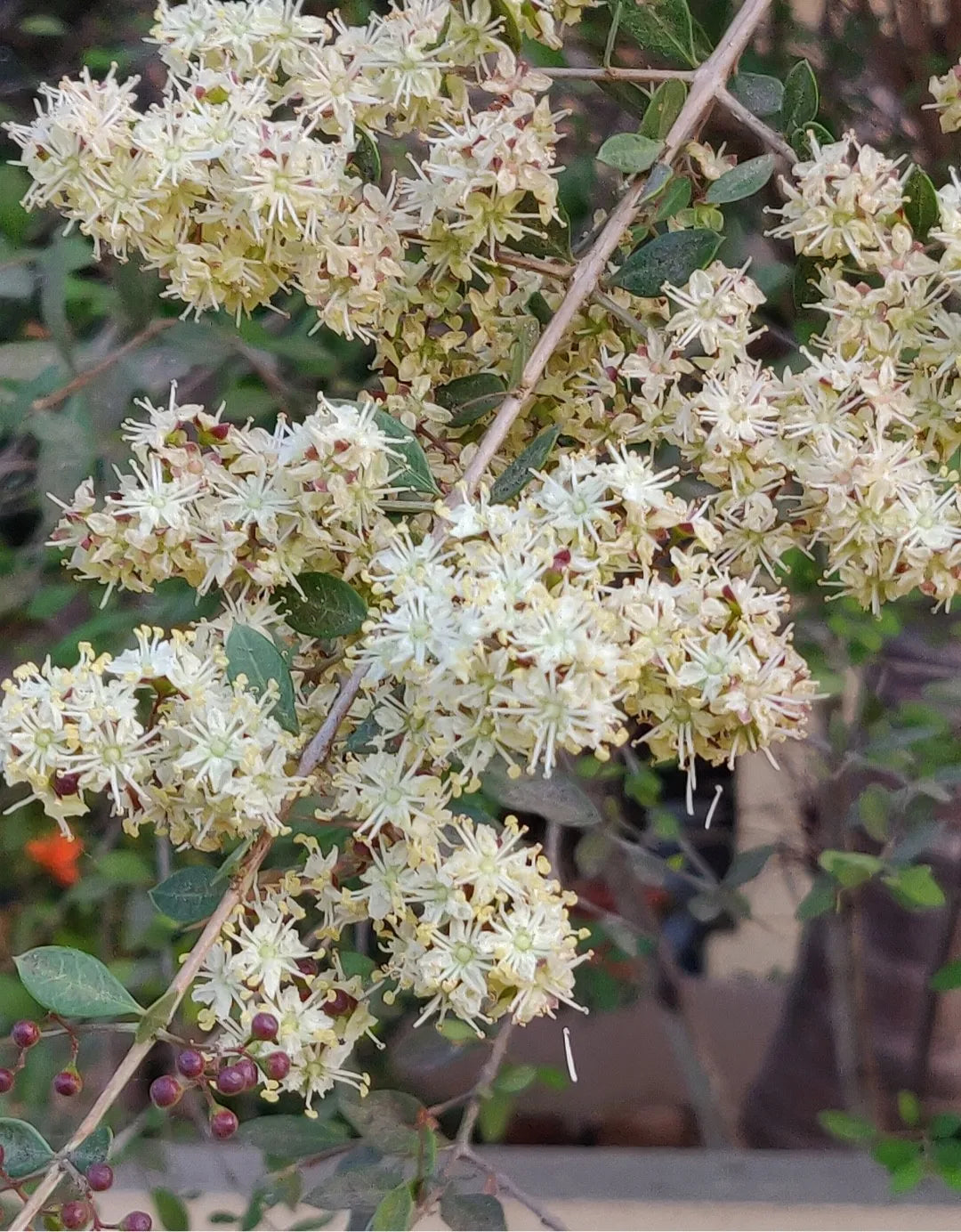
The plant known as Lawsonia inermis (henna) is a flowering shrub or small tree native to Africa, West Asia and parts of the tropics.
Its small white flowers are mentioned in plant-profiles, and the dyeing power comes from a molecule called “lawsone” found in its leaves and stems.
Historically, henna has been used for hair and skin dyeing, ritual body-art, cooling the body (in hot climates) and in cultural celebrations going back thousands of years.

Flowers in Henna Designs: Symbolism & Aesthetics
One of the richest intersections between henna and flowers is in the design motifs themselves. Flower shapes, vines and leaves are prominent in many henna patterns—and carry symbolic weight:
-
In a library-style summary of henna art, flower motifs within mehndi/henna designs are said to “represent happiness and joy,” while vines and leaves stand for devotion and vitality.
-
Traditional Indian-style mehndi often uses floral-paisley combinations, full of stacked flower shapes and petals.
-
A recent academic study on cultural exchange of henna art notes how motifs changed and adapted when henna designs traveled via the Silk Road.
So when you see a henna pattern filled with floral blossoms, you are seeing both a visual echo of nature and a richly layered symbol of life, growth and celebration.

Why Pair Henna + Flowers in a Modern Brand Setting?
At Bellaire Bloom, you’re curating experiences and aesthetics—why not lean into this pairing?
-
Visual harmony: The organic curves of floral henna motifs mirror the shapes of fresh blooms and greenery.
-
Cultural richness: Many henna traditions originate in cultures where botanical and floral symbolism was key. Bringing subtle henna-inspired accents into your floral work invites a cross-cultural story.
-
Sensory layering: Flowers already engage sight, scent, texture. Henna adds an art layer—bodily, stylistic—that resonates with wellness, body-care and adornment.
-
Event & brand collaborations: Henna and floral workshops, “henna & bouquet” parties, bridal floral arrangements that echo henna motifs—all offer experiences.
Final Thoughts
Flowers and henna both tell stories. One through petals, scent and space. The other through pigment, pattern and skin. Together, they create a richer narrative of adornment, wellness and beauty.
At Bellaire Bloom, you can lean into that union—celebrating the floral motifs of henna, offering new pairings of art + botany, inviting you into deeper aesthetic experiences.